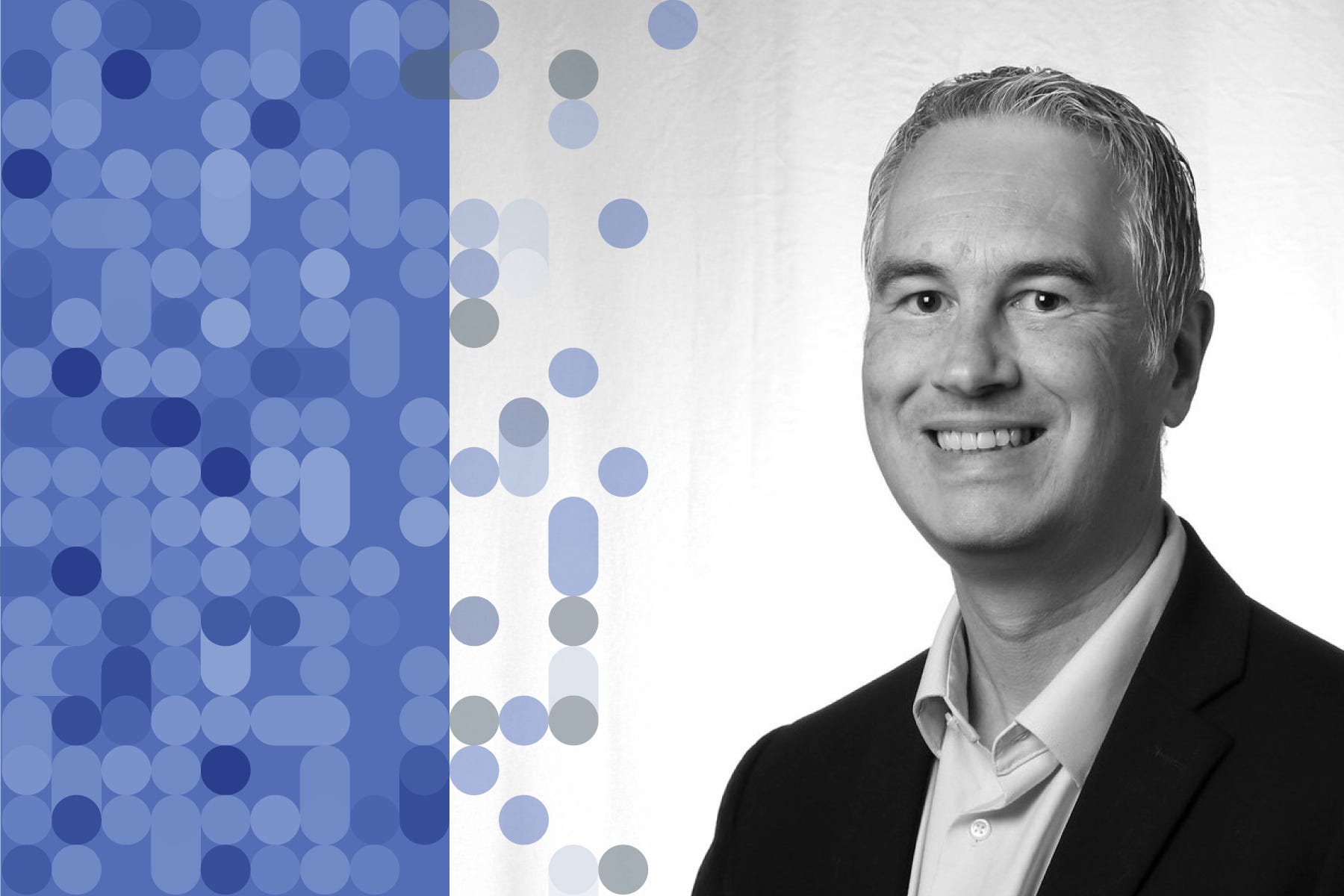
Kevin Hall: What Should We Eat?
A leader for conducting rigorous randomized trials of humans along with animal models for understanding nutrition and metabolism, Dr. Kevin Hall is a Senior Investigator at the National Institutes of Health, and Section Chief of the Integrative Physiology Section, NIDDK. In this podcast, we reviewed his prolific body of research a recent publications. The timing of optimizing our diet and nutrition seems apropos, now that we’re in in the midst of the holiday season!
Below is a video snippet of our conversation on his ultra-processed food randomized trial.
Full videos of all Ground Truths podcasts can be seen on YouTube here. The current one is here. If you like the YouTube format, please subscribe! The audios are also available on Apple and Spotify.
Note: I’ll be doing a Ground Truths Live Chat on December 11th at 12 N EST, 9 AM PST, so please mark your calendar and join!
Transcript with links to publications and audio
Eric Topol (00:05):
Well, hello. This is Eric Topol with Ground Truths, and I'm really delighted to have with me today, Dr. Kevin Hall from the NIH. I think everybody knows that nutrition is so important and Kevin is a leader in doing rigorous randomized trials, which is not like what we usually see with large epidemiologic studies of nutrition that rely on food diaries and the memory of participants. So Kevin, it's really terrific to have you here.
Kevin Hall (00:34):
Thanks so much for the invitation.
Ultra-Processed Foods
Eric Topol (00:36):
Yeah. Well, you've been prolific and certainly one of the leaders in nutrition science who I look to. And what I thought we could do is go through some of your seminal papers. There are many, but I picked a few and I thought we'd first go back to the one that you published in Cell Metabolism. This is ultra-processed diets cause excessive caloric intake and weight gain. (Main results in graph below.) So maybe you can take us through the principle findings from that trial.
Kevin Hall (01:10):
Yeah, sure. So that was a really interesting study because it's the first randomized control trial that's investigated the role of ultra-processed foods in potentially causing obesity. So we've got, as you mentioned, lots and lots of epidemiological data that have made these associations between people who consume diets that are very high in ultra-processed foods as having greater risk for obesity. But those trials are not demonstrating causation. I mean, they suggest a strong link. And in fact, the idea of ultra-processed foods is kind of a new idea. It's really sort of appeared on the nutrition science stage probably most prominently in the past 10 years or so. And I first learned about this idea of ultra-processed foods, which is really kind of antithetical to the way most nutrition scientists think about foods. We often think about foods as nutrient delivery vehicles, and we kind of view foods as being the fraction of carbohydrates versus fats in them or how much sodium or fiber is in the foods.
Kevin Hall (02:17):
And along came this group in Brazil who introduced this new way of classifying foods that completely ignores the nutrient composition and says what we should be doing is classifying foods based on the extent and purpose of processing of foods. And so, they categorize these four different categories. And in the fourth category of this so-called NOVA classification scheme (see graphic below) , they identified something called ultra-processed foods. There's a long formal definition and it's evolved a little bit over the years and continues to evolve. But the basic ideas that these are foods that are manufactured by industries that contain a lot of purified ingredients made from relatively cheap agricultural commodity products that basically undergo a variety of processes and include additives and ingredients that are not typically found in home kitchens, but are typically exclusively in manufactured products to create the wide variety of mostly packaged goods that we see in our supermarkets.
Kevin Hall (03:22):
And so, I was really skeptical that there was much more about the effects of these foods. Other than that they typically have high amounts of sugar and saturated fat and salt, and they're pretty low in fiber. And so, the purpose of this study was to say, okay, well if there's something more about the foods themselves that is causing people to overconsume calories and gain weight and eventually get obesity, then we should do a study that's trying to test for two diets that are matched for these various nutrients of concern. So they should be matched for the macronutrients, they should be matched for the sugar content, the fat, the sodium, the fiber, and people should just be allowed to eat whatever they want and they shouldn't be trying to change their weight in any way. And so, the way that we did this was, as you mentioned, we can't just ask people to report what they're eating.
Kevin Hall (04:19):
So what we did was we admitted these folks to the NIH Clinical Center and to our metabolic ward, and it's a very artificial environment, but it's an environment that we can control very carefully. And so, what we basically did is take control over their food environment and we gave them three meals a day and snacks, and basically for a two-week period, they had access to meals that were more than 80% of calories coming from ultra-processed foods. And then in random order, they either received that diet first and give them simple instructions, eat as much as little as you want. We're going to measure lots of stuff. You shouldn't be trying to change your weight or weight that gave them a diet that had no calories from ultra-processed foods. In fact, 80% from minimally processed foods. But again, both of these two sort of food environments were matched for these nutrients that we typically think of as playing a major role in how many calories people choose to eat.
Kevin Hall (
You May Also Like

Vedanta Cast
Jonas Masetti

The Birding Life Podcast Network
The Birding Life Podcast Network

Hillbilly Horror Stories Paranormal Podcast
Jerry Paulley

Vida Eterna. Respuestas desde la Ciencia | Dr. Manuel Sans Segarra
Dr. Manuel Sans Segarra

La Science, CQFD
France Culture

Forschung aktuell
Deutschlandfunk

Oncology Today with Dr Neil Love
Dr. Neil Love

Radiowissen
Bayerischer Rundfunk

La Terre au carré
France Inter

The House of Pod
Kaveh MD
Vedanta Cast
Jonas Masetti
The Birding Life Podcast Network
The Birding Life Podcast Network
Hillbilly Horror Stories Paranormal Podcast
Jerry Paulley
Vida Eterna. Respuestas desde la Ciencia | Dr. Manuel Sans Segarra
Dr. Manuel Sans Segarra
La Science, CQFD
France Culture
Forschung aktuell
Deutschlandfunk
Oncology Today with Dr Neil Love
Dr. Neil Love
Radiowissen
Bayerischer Rundfunk
La Terre au carré
France Inter
The House of Pod
Kaveh MD
Community discussion